Compliance in cannabis is no longer a seasonal project. In 2025, inspectors expect every SKU, label, and COA to have a clean chain of evidence from seed to shelf. This guide lays out the new baselines, the traps operators are falling into, and how an AI-driven platform like CanIDeal can turn compliance from a scramble into a weekly habit.
What changed in 2025? States are converging on digital COAs, potency rounding rules, QR codes that resolve to real data, and stricter labeling for inhalables and edibles. Several jurisdictions expanded Metrc and BioTrack reporting to include remediation events, waste handling, and chain-of-custody signatures. GMP-style documentation is becoming table stakes for products that can be inhaled or ingested.
Licensing hygiene comes first. Match entity names, responsible parties, and locations across your license, insurance, banking, and tax filings. Keep ownership caps and background check documents ready—regulators now cross-reference public records. An AI assistant can compare filings to your internal directory and surface mismatches before renewals get flagged.
Track-and-trace is your heartbeat. Capture every conversion, commingle, remediation, and transfer with reason codes and timestamps. Avoid backdating, placeholder weights, and manual edits without approver notes. Let AI watch for anomalies—sudden yield spikes, duplicate manifests, or waste ratios that drift—and nudge the team before an auditor does.
Lab testing needs structure, not screenshots. Standardize intake: verify lab license status, test dates, method codes, and sample IDs. Extract potency and contaminant data into fields, not PDFs. When labels and manifests pull from the same structured COA record, you reduce misprints and speed recall investigations.
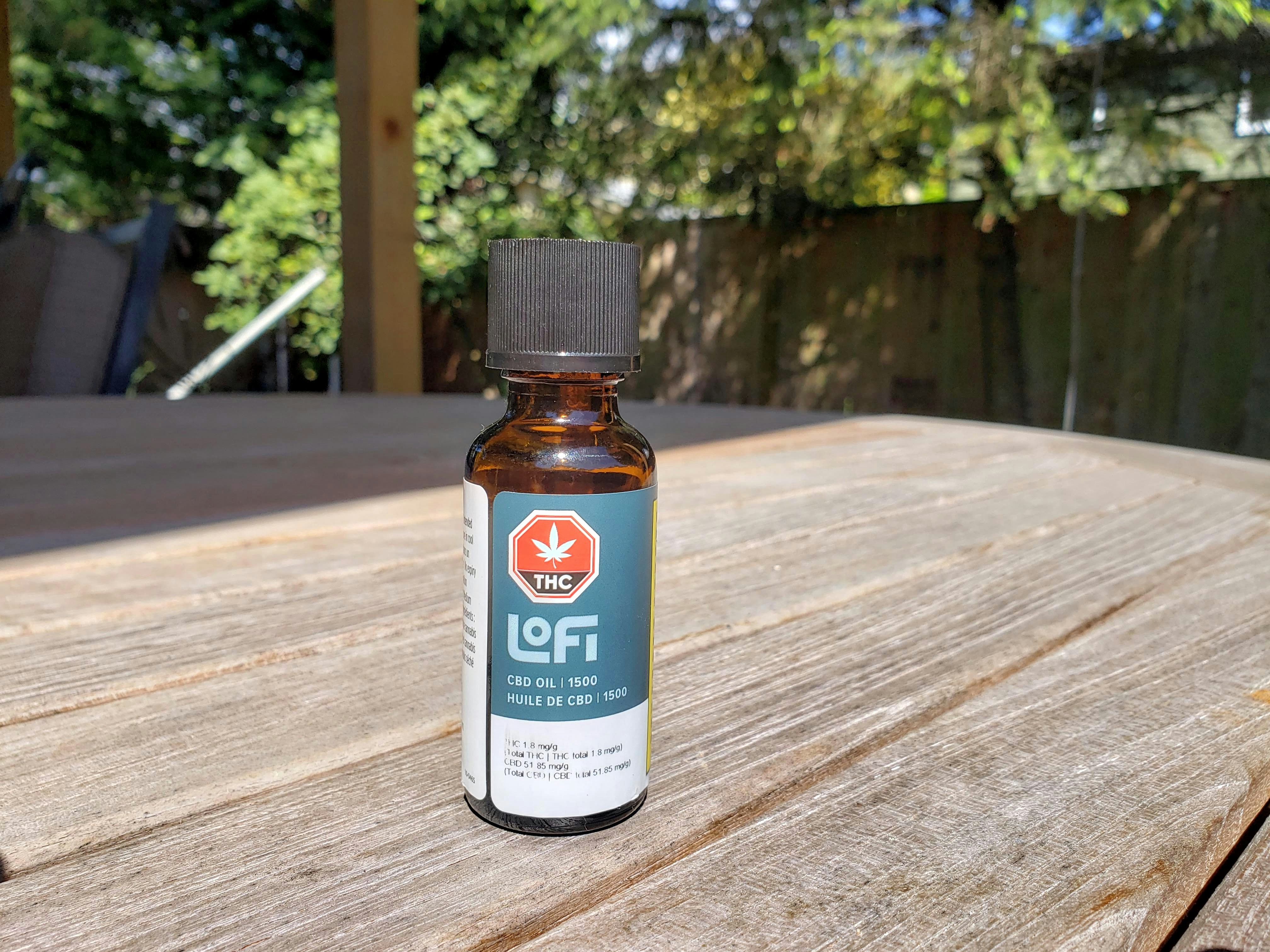
Labeling is where most citations land. Store rules by jurisdiction and product form: warning language, font size, universal symbols, THC/CBD per serving, child-resistance statements, and batch-identifying QR codes. Use AI to preflight every label proof against the rule set and block print runs that miss a requirement.
Inventory controls protect your balance sheet and your license. Count high-risk items daily, track variances with root causes, and reconcile physical counts to track-and-trace regularly. For infused products, confirm that ingredient lots and COAs line up with production dates. AI vision can spot label mismatches or missing warnings at the line before cases leave the building.
Audit readiness is a cadence, not a panic. Run monthly mock audits: pick three batches, pull their COAs, manifests, label proofs, and SOPs, and ensure signatures and timestamps line up. Keep a single folder structure with versioned SOPs, evidence templates, and approval records. Update the set every time a rule changes.
Team design matters. Give compliance a seat at product development so new SKUs launch with the right warnings and packaging form. Train line leads to log exceptions in real time instead of burying them in email. Reward catches—when someone stops a bad label, celebrate it.
Where AI carries the load: extracting data from COAs, flagging risky language on labels, predicting audit risk based on recent exceptions, and prompting the right SOP inside the workflow. The best systems run quietly in the background, only interrupting when something needs a human decision.
A 30/60/90-day plan: weeks 1–2, clean licenses, vendors, labs, and label libraries; weeks 3–4, reconcile track-and-trace to physical and fix chronic variances; weeks 5–8, automate COA ingestion and label preflight; weeks 9–12, run mock audits and lock a weekly exception review. Ship one small control per week so compliance becomes boring, reliable, and scalable.
KPIs worth watching: exception rate per batch, label error rate, COA ingestion time, variance dollars per week, and time-to-approve new SKUs. Common mistakes: copying labels across states, mixing old and new warning language, and losing track of temporary SOPs after a remediation event. Let AI flag those patterns before they recur.
Bottom line: make compliance continuous, documented, and assisted by AI. That rhythm keeps you inspection-ready, cuts rework, and frees teams to focus on growth instead of paperwork.
Documentation depth matters. Keep redlines of labels, change logs for formulations, and screenshots of track-and-trace entries with user IDs. When regulators ask "who knew what, when," you can answer with evidence instead of explanations. Store everything in one structured system so you can export it in minutes.
Training is your quiet moat. Run short refreshers whenever rules change and test comprehension with quick quizzes. Rotate auditors internally so fresh eyes review processes. AI can personalize training nudges based on recent errors (for example, if labels are failing, focus refreshers there).
Finally, align incentives. Tie part of performance to clean audits and low exception rates. When operators know compliance makes launches faster—not slower—participation skyrockets.
When inspectors arrive, show them your system, not a pile of PDFs. Walk them through one batch: the COA ingestion, the label preflight, the manifest creation, and the approvals. A clear digital thread builds trust and shortens the visit.
As you scale, appoint compliance champions in each department. They become your early warning system and reduce the burden on a single compliance lead.