CBD and THC products share a plant but not a rulebook. Treating them the same is a shortcut to warnings and recalls. This guide splits the playbook across sourcing, formulation, labeling, shipping, marketing, and recordkeeping—and shows where AI can keep you inside the lines.
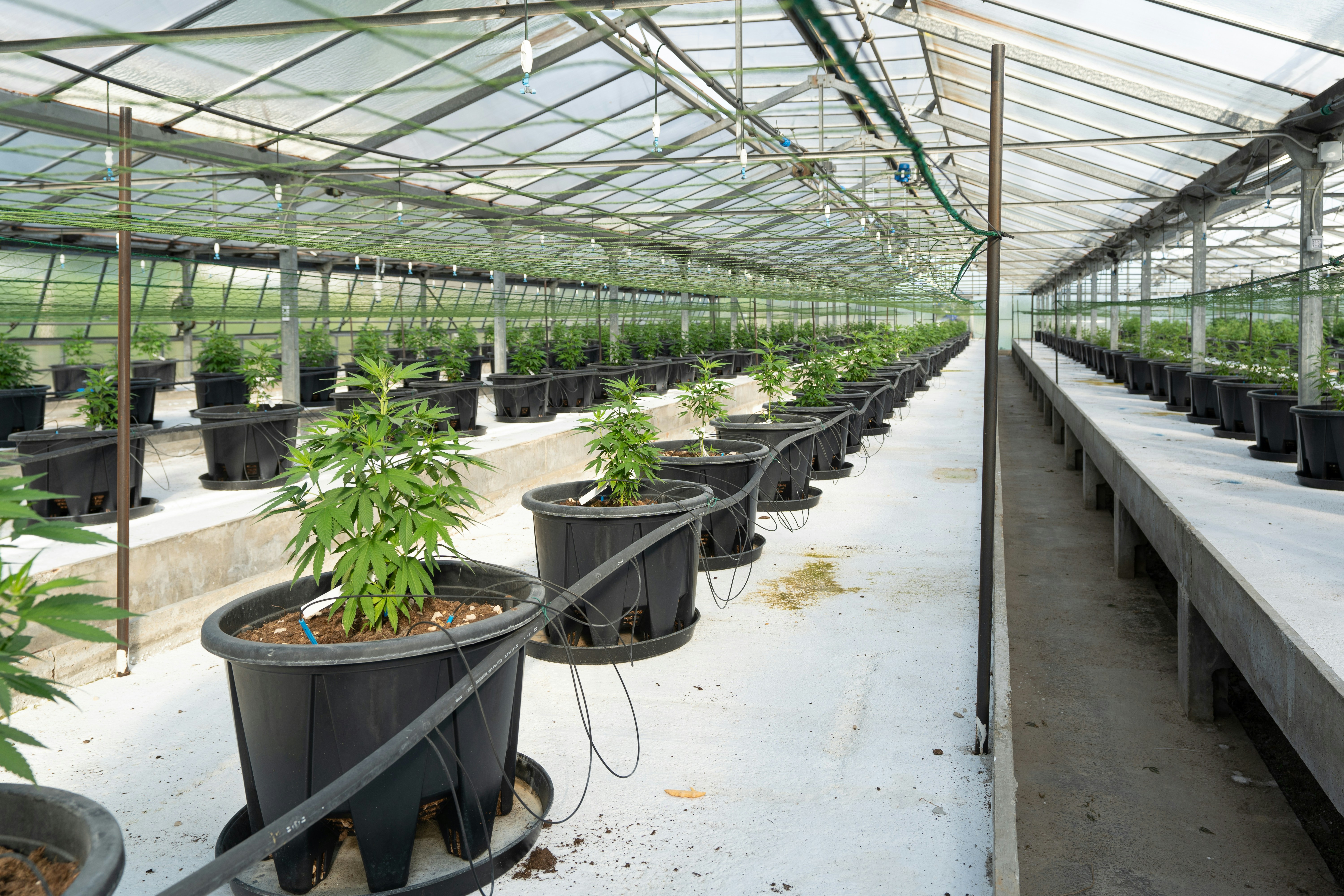
Sourcing: for CBD, trace hemp origin, farm licenses, and THC potency below legal thresholds (0.3% delta-9 by dry weight in the U.S.). For THC, verify cultivation and processing licenses match the state program and that track-and-trace IDs remain intact through every conversion.
Formulation and testing: CBD products need potency validation, residual solvent tests for extracts, and sometimes pesticide/heavy metal panels depending on state. THC products require state-defined panels plus homogeneity tests for edibles. Keep test methods and lab accreditation on file—regulators ask for them more often.
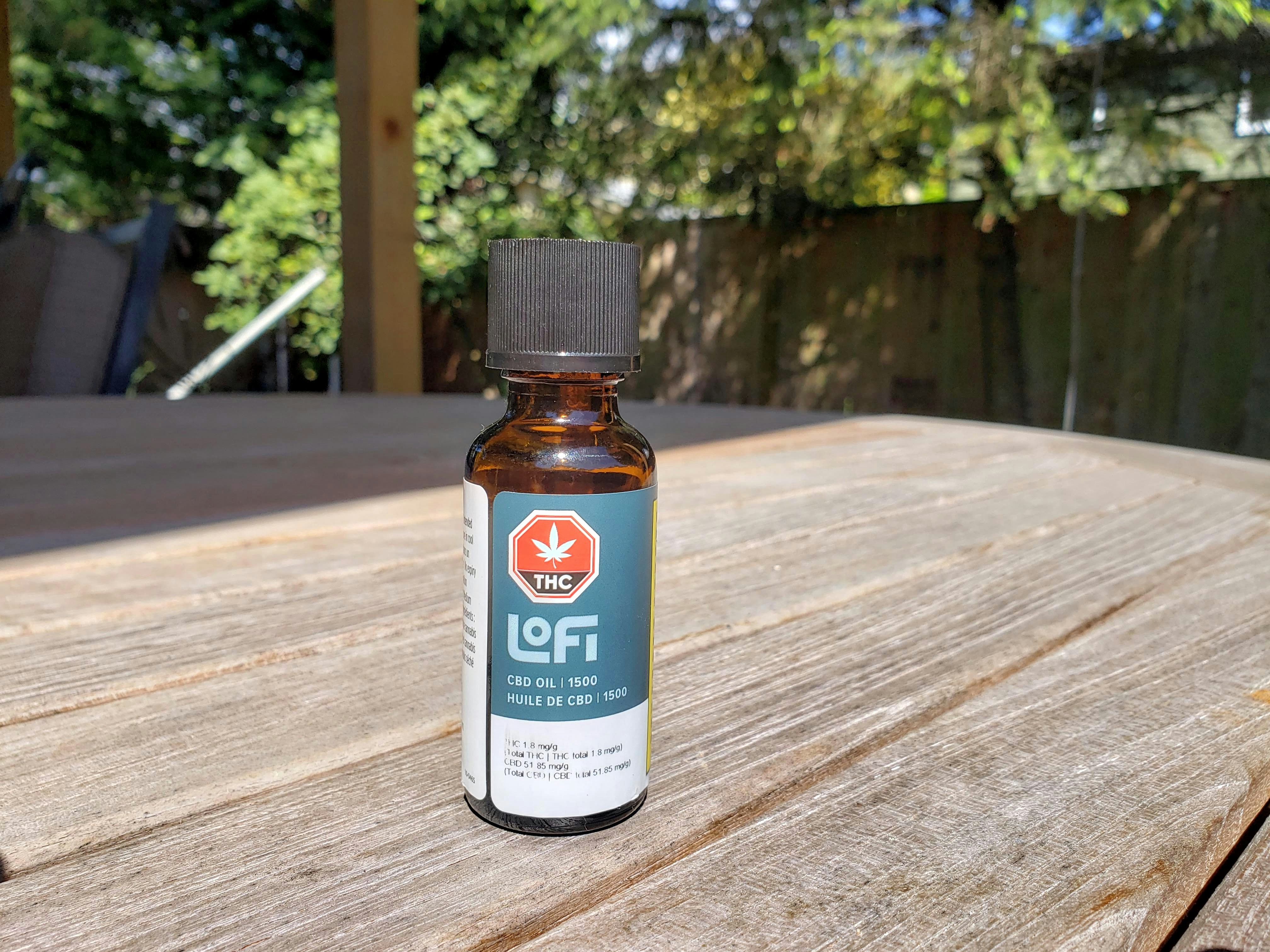
Labeling: CBD often faces FTC-style truth-in-advertising scrutiny—no disease claims, clear amounts of CBD per serving, and QR codes in many states. THC labels must meet per-state warning statements, universal symbols, serving limits, and child-resistant packaging attestations. Keep separate label templates and approval workflows for CBD vs THC.
Shipping and geography: CBD can move interstate if it meets federal and state hemp rules; THC stays intrastate. Use geo-fencing in your cart and manifest tools so orders route correctly. AI address validation can block accidental interstate THC shipments.
Marketing and claims: avoid medical promises for both. For CBD, focus on benefit framing (calm, recovery, focus) without promising outcomes. For THC, keep content age-gated, state-compliant, and aligned with local advertising limits. AI text scanning can flag risky phrasing before it goes live.
Payments and banking: CBD has broader payment options but still faces risk reviews. THC remains cash-heavy in many markets; document your cash controls, safes, and transport procedures. Keep AML/KYC files current for partners and investors.
Recordkeeping: store COAs, labels, and batch records separately for CBD and THC. If you co-manufacture, define changeover SOPs, sanitation logs, and line clearance steps to avoid cross-contamination. Track ingredient lots to both product families.
Enforcement trends: CBD warning letters target unsubstantiated health claims and mislabeled potency. THC citations focus on labeling errors, missing batch links, and interstate shipment violations. Study recent actions in your states and bake those lessons into your SOPs.
Edge cases: delta-8 and other minors often live in gray zones; treat them with the stricter THC playbook until rules clarify. Marketing terms like “hemp-derived THC” can trigger scrutiny—be precise and link to COAs.
How AI helps: it classifies products as CBD or THC at SKU creation, applies the right rule set automatically, preflights labels, blocks shipments that violate geography rules, and monitors claims language. That automation lets you move faster without inviting fines or recalls.
Bottom line: treat CBD and THC like cousins with different passports. Build parallel controls, automate the differences, and you’ll expand confidently in both categories.
Channel strategy matters. CBD often goes through DTC and national retail; THC lives in licensed dispensaries. Keep creative assets, claims, and disclaimers separate so you don’t accidentally push THC messaging into CBD channels or vice versa.
Returns and complaints should stay segregated too. Track issues by product type so you can see if potency concerns cluster around THC edibles or if CBD tincture dropper issues need a packaging change. AI clustering speeds the root-cause hunt.
Future watch: potential federal rescheduling could tighten or loosen rules. Prepare by keeping your documentation disciplined now—teams that already segment CBD and THC controls will adapt faster to any shift.
Packaging subtleties matter: THC warning triangles, child-resistance attestations, and serving dividers in edibles vary by state. CBD often mandates QR codes and batch info but fewer warning symbols. Keep separate dielines and BOMs so components never mix.
Education for staff and partners: sales, support, and creative teams should know the split. Create quick reference cards with “CBD rules” and “THC rules” and refresh quarterly. AI can quiz teams lightly and surface who needs a refresher.
If you operate in multiple states, maintain a regulatory matrix that shows differences by product type. AI can flag when a new rule hits one row so you adjust labels and SOPs before launch.
When you launch new forms—beverages, topicals, or vapes—refresh both playbooks. Serving sizes, warning language, and testing panels shift with form factor, not just molecule.
Make it easy for regulators: QR codes that resolve to batch COAs, ingredients, and disclaimers reduce questions and build goodwill for both CBD and THC products.
Document how you decide product claims. A short approval flow—with science references, legal review, and final sign-off—keeps creative fresh while protecting both CBD and THC lines.
Keep a changelog. Every time a state updates serving limits or warning language, note the date, the change, and the affected SKUs. That record speeds audits and internal training.
Stay curious: subscribe to state bulletins and industry alerts so your rule matrix is never stale.