Sustainability in cannabis is shifting from marketing to measurable practice. Energy, water, packaging, and transport miles hit both your carbon footprint and your costs. Here’s how to build a cleaner supply chain that runs lean—and how AI can turn ESG goals into daily decisions.
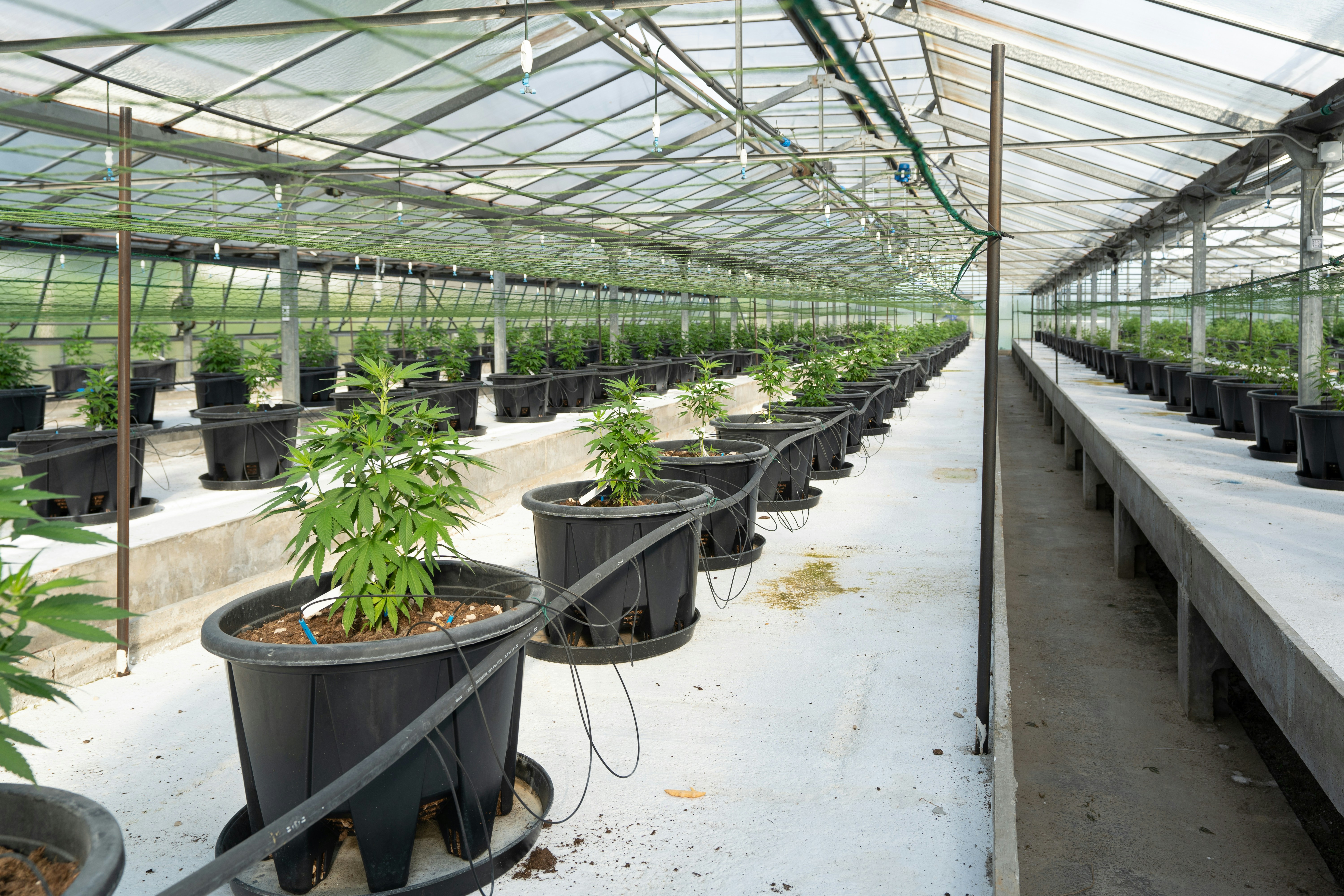
Energy first: benchmark kWh per pound for each room type. Swap to efficient LEDs, tune photoperiods, and add occupancy sensors in support spaces. Monitor HVAC and dehumidification loads; AI can adjust setpoints based on weather and canopy stage to trim peaks without sacrificing quality.
Water and nutrients: measure liters per plant and runoff percentages. Close the loop with filtration and reuse where allowed. Automate fertigation timing and volumes to reduce waste. Soil moisture sensors plus AI-driven irrigation schedules cut overwatering and root disease.
Growing media and inputs: choose substrates with lower embedded carbon and recycle where possible. Standardize IPM thresholds and document every application. Track input lot numbers so sustainability reports and recalls are painless.
Packaging: audit SKUs for excessive plastic and mixed materials. Move to mono-materials, post-consumer resin, or paper-based options where regulations permit. Design flat-pack secondary packaging to reduce freight volume. Use AI to simulate packaging changes against state rules before you print.
Transportation: cluster deliveries by route, avoid half-empty trucks, and align production with demand to cut expedited shipments. Micro-fulfillment hubs near major metros can shrink miles in large states. AI route planning plus real-time traffic data reduces idle time and fuel.
Waste: segregate plant waste, packaging waste, and hazardous materials. Follow local grind-and-mix rules and document weights and disposal manifests. AI can flag anomalies in waste volumes that hint at shrink or process issues.
Renewables and offsets: if you can’t add onsite solar, negotiate renewable energy credits or community solar subscriptions. Track carbon intensity per kWh so you can show progress. Offsets should be the last mile, not the first move.
Supplier standards: add sustainability criteria to vendor onboarding—energy mix, packaging choices, and logistics practices. Prefer partners who help you shrink your footprint. Publish a supplier code of conduct and score compliance.
Metrics that matter: kWh per pound, water per pound, packaging grams per unit, on-time shipments, and defect rates. Publish a simple scorecard to buyers—many want to stock brands that improve their own ESG profile. AI can auto-fill reports and spotlight hotspots each month.
Governance and culture: assign owners for energy, water, packaging, and logistics. Review metrics in weekly ops, not once a year. Celebrate small wins (reduced runoff, fewer expedited shipments) and reinvest savings into the next upgrade.
The payoff: a sustainable cannabis supply chain is operational excellence by another name. Measure, automate, and iterate. You’ll cut costs, meet emerging regulations, and build a brand buyers want to champion.
Employee engagement is a force multiplier. Invite cultivation and packaging teams to suggest waste cuts; reward the best ideas with bonuses or public kudos. The people closest to the work often spot low-cost wins.
Supplier alignment: add sustainability questions to RFPs—energy mix, packaging choices, transport practices. Prefer partners who help you shrink your footprint. Track those responses so you can show buyers that your supply chain, not just your products, is greener.
Financial view: sustainability projects should show payback. LEDs cut energy bills, smarter routes cut fuel, and better packaging reduces freight volume. Capture savings and reinvest into the next upgrades so momentum builds.
Storytelling: share your metrics. Buyers and end customers increasingly choose brands that report progress transparently. A monthly snapshot of kWh per pound and packaging grams per unit, paired with a short narrative, goes a long way.
Carbon accounting is becoming expected. Start simple: measure energy emissions using your utility’s factor, add fuel use from logistics, and estimate packaging impacts from supplier data. AI can automate the math and keep it updated.
Climate resilience belongs in the plan: heat waves, wildfires, and storms hit cultivation and transport. Scenario plan routes, backup power, and water use. AI weather alerts tied to your production schedule can keep you ahead of disruptions.
Keep sustainability visible. Dashboards in breakrooms, monthly shoutouts, and progress toward targets make it real. When teams see their actions lowering bills and emissions, engagement sticks.
Close the loop on learnings: if a route change saves fuel or a packaging tweak cuts grams, document it and roll it to all similar SKUs. Sustainability wins should become defaults.
Set a 12-month target—say 10% energy per pound reduction—and track monthly. AI trendlines keep teams honest and show whether changes are noise or real gains.
Ask your buyers which sustainability metrics matter to them. Some prioritize packaging waste, others energy or labor practices. Aim your next improvements at the metrics your partners champion.
End every project with a “lock it” step—update SOPs, train teams, and remove the old way. Sustainability gains only stick when the new process becomes the default.